

Today’s focus is the pear-shaped body—also known as the triangle body shape and, in professional image consulting, sometimes referred to as the D body shape.
And because summer is the perfect season to have fun with colour, I’ll also show you how bold, vibrant shades can become one of your greatest styling allies for creating beautiful balance.
“We only have one life to live. Dare to be wonderful.”
– Agnese K
A few years ago, while having tea with a friend, she suddenly asked me,
“What does it actually mean to be an image consultant? Why are you studying so hard?”
My answer came straight from the heart.
“Because I can see the beauty in every woman—even in those who believe they aren’t beautiful, or who, for whatever reason, have learned to hide it. I want to use that ability to help other women see themselves through kinder eyes and discover the beauty I can already see in them.”
That answer still defines everything I do.

Let me share another personal story.
I have three wonderful sisters-in-law, each completely different in colouring, height and body shape. Each of them is beautiful in her own unique way.
Two of them have always been aware of their beauty, but the youngest—now in her thirties—spent years trying to hide hers.
She has delicate fair skin sprinkled with freckles, soft light brown hair, stands 1.75 m (5 ft 9 in) tall, and has a beautifully feminine pear-shaped figure.
Yet because she always thought of herself as “too big”, and because she didn’t know how to create visual balance through clothing, she spent some of the best years of her life hiding beneath oversized black clothes.
It broke my heart. 🥹
🙏🏻 No woman deserves to spend her life apologising for her body.
One of the greatest misconceptions in fashion is that we must somehow change our bodies before we deserve to dress beautifully. In reality, the opposite is true. The moment we learn how to work with our natural proportions instead of fighting them, getting dressed becomes an act of self-expression rather than self-criticism.
This is why I became an image consultant and personal stylist.
I don’t believe in “perfect” bodies. I believe in helping women recognise the beauty that already exists within them and giving them the practical tools to let that beauty shine.
Whatever shape you’re in, there is always an artistic way to dress.

Pear-Shaped Body: How to Recognise the Features
Before choosing clothes that flatter your figure, it’s important to understand what defines a pear-shaped body.
Rather than thinking in terms of “good” or “bad” proportions, simply observe the natural lines of your silhouette.
Every body shape has its own strengths, and the pear shape is no exception. Its beautifully feminine curves have inspired fashion for generations.

You may have a pear-shaped (or triangle-shaped) body if most of the following characteristics describe you:
- Narrow or gently sloping shoulders
- A small to medium bust
- A softly defined or fuller waist
- Hips that are noticeably wider than the shoulders
- Full thighs and, often, shapely calves
The overall impression is one of softness and graceful curves, with more visual weight in the lower half of the body than in the upper half.
📌 The aim of styling isn’t to disguise these curves but to create visual harmony throughout your silhouette.
We’ll achieve this by drawing the eye upwards with interesting necklines, colours, patterns and carefully chosen details around the shoulders and upper body, while keeping the lower half elegant and uncluttered with beautifully draped trousers and skirts that skim rather than cling.
📌 One detail is particularly important: the point where your tops meet your trousers or skirts. Whether you choose to tuck in a blouse, wear a belt or leave a top untucked, this transition should always look smooth.
📌 Avoid fabrics that pull, bunch or create unnecessary bulk around the waist and hips, as they interrupt the clean, harmonious line we’re trying to create.
In the following chapters we’ll explore the best styles of trousers, skirts and tops for a pear-shaped figure, before finishing with one of my favourite topics—how to use colour confidently according to your natural colouring.
Some of the links on this site may be affiliate links, which means that I may earn a small commission if you make a purchase through those links, at no extra cost to you.
How to Make Your Clothes Work for You
As we explored earlier, dressing a pear-shaped body isn’t about disguising your curves—it’s about creating harmony between your upper and lower body.
The easiest way to achieve this is by choosing bottoms that skim rather than cling, allowing the fabric to fall smoothly over your hips and thighs while creating a gentle visual focus above your natural waist.
When your garments work *with* your body instead of against it, everything begins to look more balanced, elegant, and effortless.
The Best Trousers for a Pear-Shaped Body
Whether you choose tailored trousers or relaxed everyday styles, look for designs that create a long, uninterrupted line through your lower body.
✅ Your most flattering trousers will generally feature:
✅ a smooth front with little or no waistband
✅ a side or front zip fastening
✅ a straight or gently flared leg with ease through the hips and thighs
✅ a rise that sits at your natural waist (around your navel)

🚫 At the same time, it’s best to avoid:
🚫 pleated fronts that add unnecessary fullness
🚫 leggings, which tend to emphasise rather than skim the curves of the hips and thighs
🚫 strongly tapered ankles, as they visually widen the hips by narrowing the silhouette below
🚫 trousers that sit significantly above your natural waist, as they can make the torso appear shorter

✅ Straight-leg trousers are particularly flattering when they offer enough room through the seat and legs without appearing oversized.
The fabric should skim your curves, creating a clean vertical line that visually lengthens your lower body. Worn at your natural waist—not higher—they also help restore balanced proportions by making your torso appear longer.
✅ Wide-leg trousers follow the same principles. Look for styles with a flat front, little or no waistband, and subtle darts that provide shaping without adding bulk.
A full leg allows the fabric to fall gracefully over the hips, while a slightly flared hem creates beautiful visual harmony with your curves.
For the most elongating effect, have your trousers hemmed to skim the top of your shoes when worn with at least a 1½-inch heel.
This uninterrupted line is wonderfully elegant and instantly lengthens the leg.

The Best Jeans for a Pear-Shaped Body
Finding jeans that truly work for a pear-shaped body can feel surprisingly difficult. Many styles fit comfortably at the hips but gape at the waist, while others fit the waist beautifully yet pull across the thighs.
The good news is that the right cut makes all the difference.
✅ Choose jeans that skim your curves rather than cling to them.
A straight or subtly flared leg creates a beautifully balanced silhouette, while a rise that sits at your natural waist (around your navel) helps maintain harmonious proportions between your upper and lower body.

✅ Dark indigo and black washes are especially flattering, as they create a long, uninterrupted line and pair effortlessly with almost everything in your wardrobe.
One feature worth looking for is a contoured waistband, where the back rises slightly higher than the front. This thoughtful construction follows the natural curve of your body, reducing gaping at the waist while providing a smoother fit through the hips.


Since jeans are often one of the hardest-working pieces in a wardrobe, styles with little or no waistband are particularly versatile. They sit beautifully beneath knitwear, jackets, and untucked blouses without creating unnecessary bulk.
During the warmer months, pairing your jeans with footwear in a similar tone to your trousers helps extend the visual line of your legs, creating an even more elongated silhouette.
Above all, remember that your jeans should never feel restrictive. They should allow the fabric to skim over your hips and thighs, creating clean, elegant lines that work with your natural proportions.
The Most Flattering Skirts
Skirts can be one of the most elegant and versatile pieces in a pear-shaped wardrobe, provided they drape rather than cling.
✅ If I had to choose one style above all others, it would be the gored skirt.
Constructed from several vertical panels, a gored skirt follows the curves of the hips before gently flaring towards the hem.
This creates beautiful movement while maintaining a smooth line through the lower body, making it one of the most naturally harmonious silhouettes for your shape.

If you can’t find a gored skirt, look for styles that fit neatly at the waist before softly easing over the hips.
📌 Skirts in fluid fabrics that gently widen towards the hem are equally flattering, as are stitch-down pleated styles in lightweight materials such as matte jersey.
👉🏼 For petite or shorter-than-average pear-shaped women, I’d recommend avoiding long, straight pull-on skirts in lightweight jersey.
Because the fabric tends to mould closely to the hips and seat, these styles can make the lower body appear heavier while visually shortening the figure.
Instead, choose skirts that drape fluidly and widen subtly towards the hem, finishing above the ankle. This creates movement, lightness, and a far more balanced silhouette.
Whenever possible, keep your skirt and top within the same colour family.
📌 Dressing monochromatically creates one uninterrupted vertical line, making the body appear longer and more harmonious.
If you’d like to add visual interest, introduce contrast through texture rather than colour.
For example, pair a softly draped silk blouse with a structured cotton or linen skirt, or combine two similar fabrics when you’re aiming for the effortless look of a coordinated dress without the fitting challenges that dresses can sometimes present.

Choosing Tops That Balance Your Shape
While your bottoms create a smooth foundation, your tops provide the visual balance that brings the whole outfit together.
✅ Ideally, your tops should finish between your low waist and high hip. This length prevents the fabric from catching on your hips or riding upwards as you move, while preserving balanced proportions throughout your silhouette.
Look for set-in sleeves, which naturally define and broaden the shoulder line, and ensure that the armholes are comfortably cut so the fabric falls smoothly across both your shoulders and bust.
Some of your most flattering necklines include boat and ballet necks, sweetheart necklines, U-necks, V-necks, and mock necks.
Each of these helps draw the eye upwards, beautifully complementing your natural proportions.
Rather than choosing long tunics that completely cover your hips and bottom, opt for tops that gently skim your body.

Oversized tunics can overwhelm your upper frame and unintentionally emphasise the difference between your shoulders and hips.
If a garment includes shoulder pads, consider replacing bulky ones with thinner, more natural versions that simply support the shoulder line rather than exaggerate it.

✅ One of the easiest ways to create visual harmony is by ensuring that the transition between your top and bottom is smooth.
Details such as softly banded hems, wrap styles, subtle gathers, texture, tonal embroidery, patch pockets, button-front designs, or gentle ruching all add quiet interest to your upper body without overwhelming it.
For warmer weather, breathable fabrics such as silk, silk blends, and stretch cotton poplin provide beautiful drape while maintaining enough structure to flatter your frame.
📌 Ultimately, the perfect top should fit comfortably through the shoulders, skim rather than cling to the body, allow easy movement through the sleeves and armholes, and finish neatly over the waistband of your trousers or the top of your skirt. When these elements come together, dressing becomes wonderfully effortless.
Styling Principles for a Pear-Shaped Body: Your Harmony Rules
Before we move on to fabrics and colour, let’s bring everything together into a few simple principles.
Think of these as your personal “harmony rules”—not strict instructions, but guiding ideas that help you choose clothes with confidence and ease.
1. Create visual harmony between upper and lower body
✅ Your goal is not to hide your hips or change your shape, but to create a sense of balance between your upper and lower silhouette.
This is achieved by gently drawing attention upwards while allowing the lower body to feel smooth, fluid, and unforced.
When both areas feel visually supported, the entire silhouette naturally appears more harmonious.
2. Let your bottoms follow your natural lines
✅ Choose trousers and skirts that skim rather than cling, allowing fabric to move softly over your curves.
Straight, wide-leg, and gently flared silhouettes work beautifully because they create a long, continuous line through the lower body.
Avoid anything that interrupts this flow with unnecessary tightness, excessive detailing, or abrupt narrowing at the ankle.
3. Keep the waist area clean and effortless
✅ The transition between your top and bottom is one of the most important styling points in your silhouette.
Aim for a smooth, uninterrupted meeting point at your natural waist. Avoid unnecessary bulk, pulling, or gathering that can visually disrupt the line.
When this area feels calm and refined, the entire outfit immediately looks more elegant.

4. Allow your upper body to take a gentle visual lead
✅ Your tops play a key role in restoring proportion.
Choose styles that subtly broaden the shoulder line, draw the eye upwards, and introduce softness or interest around the neckline.
Think in terms of guiding attention, not exaggeration. A beautifully chosen neckline or sleeve detail can completely transform the overall balance of an outfit.
5. Work with your body, never against it
✅ Every garment should feel as though it is cooperating with your natural shape.
If something pulls, clings, rides up, or distorts your proportions, it is not the right expression for your body—not because your body is wrong, but because the garment is not aligned with it.
Clothing should follow your lines, not fight them.
6. Think in terms of harmony, not correction
✅ Perhaps the most important principle of all is this:
Your body does not need to be corrected. It only needs to be understood.
When you shift your mindset from “fixing” proportions to composing harmony, dressing becomes a far more intuitive and creative experience.
You are no longer trying to become a different silhouette—you are simply learning how to let your natural one be seen in its best light.
These principles are crucial, guys. They are the foundation of everything that follows: fabrics, colours, textures, and finishing details.
Once you become familiar, getting dressed stops feeling like a challenge and starts feeling like a quiet form of self-expression.
Fabrics That Work With Your Shape

Fabric is one of the most overlooked elements in dressing a pear-shaped body, yet it often makes more difference than cut alone.
The right material doesn’t just cover the body—it communicates with it, guiding how a garment falls, moves, and holds its shape throughout the day.
For your silhouette, the most harmonious fabrics are those with enough structure to create a clean line, but enough softness to move gently over your curves.
Think in terms of support without stiffness.
The most supportive fabrics
📌 For trousers and structured skirts, look for fabrics that hold their shape while still allowing fluid movement:
- firm cotton and quality denim
- linen blends that drape rather than crease heavily
- lightweight wool or wool crepe (especially for autumn and winter)
- structured viscose blends with a smooth finish
These materials help create a long, uninterrupted silhouette through the lower body without clinging or losing shape.
They “glide” over the hips rather than attaching to them, which is exactly what creates visual harmony.
Fabrics to approach with care
Very soft, clingy, or ultra-stretch materials tend to follow every contour of the body. While comfortable, they can sometimes emphasise volume in the lower half rather than refining it.
This doesn’t mean you should avoid comfort-focused fabrics entirely, but rather choose them intentionally and balance them with more structured pieces elsewhere in your outfit.
A simple guiding principle
If you are unsure, ask yourself:
👉🏼 Does this fabric fall… or does it cling?
Fabrics that fall tend to create elegance and ease. Fabrics that cling tend to interrupt the visual flow of the silhouette.
Your goal is always the same: a soft, continuous line that allows your natural proportions to feel calm and refined.

Texture, Structure & Finishing Details
Once fabric and cut are in place, texture becomes the final layer that brings your outfit into harmony.
Think of texture as the “quiet detail work” of your styling—it can subtly guide the eye, add interest, or soften transitions between upper and lower body.
Keeping the lower body visually calm
For trousers and skirts, simplicity is your strongest ally.
📌 Clean surfaces, minimal detailing, and smooth finishes help maintain a long vertical line. This allows your natural proportions to read as elegant and uninterrupted.
Try to avoid excessive detailing on the lower half, such as:
- large or decorative back pockets
- heavy fading or whiskering in denim
- cargo elements or side bulk
- visually busy stitching or contrast panels
The more minimal the lower half, the more refined and elongated your overall silhouette appears.
Bringing interest upwards
✅ Your upper body is where texture and detail can truly shine.
This is where you can gently guide the eye and create balance through:
- soft ruching or gathering
- subtle embroidery or tonal detailing
- gentle draping or wrap effects
- interesting necklines and collar shapes
- soft pleating or fabric layering
These details do not need to be dramatic. In fact, the more refined they are, the more elegant the overall effect.
They act like visual invitations, naturally drawing attention upwards without overwhelming the silhouette.
The importance of finishing lines
One of the most important styling principles for your shape is the meeting point between top and bottom.
This line should feel smooth, intentional, and uninterrupted.
🚫 Avoid bulk, tension, or unnecessary folding at the waist. Instead, aim for a clean transition where the eye can move naturally from upper to lower body without interruption.

A final thought on harmony
When fabric, texture, and cut all work together, something subtle happens:
You stop noticing individual garments.
Instead, you see a single, coherent silhouette.
And that is the essence of harmony—not perfection, but cohesion, ease, and visual calm.
Understanding Your Colour Season: A First Step Towards Harmony
When it comes to modern colour analysis, we usually refer to four main seasonal categories: Spring, Summer, Autumn, and Winter.
Each season represents a different combination of undertone, depth, and contrast in the natural colouring of the face.
While colour analysis can become very detailed—with further subcategories and refinements—I personally believe that, for someone approaching this concept for the first time, recognising your main season is more than enough to begin.
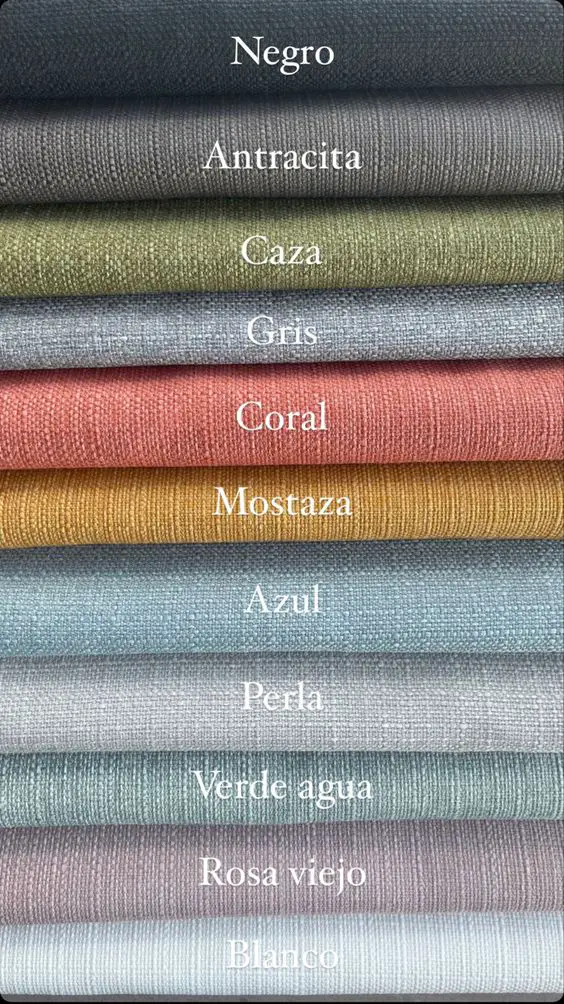
This step alone can already transform the way you choose colours and build your wardrobe.
Understanding your colour season is not about rules.
It is about discovering which palette naturally enhances your features and creates visual harmony between your face and the clothes you wear.
What determines your colour season?
Your skin tone plays a key role in this process.
Skin colour is influenced by a combination of three pigments:
- Melanin (responsible for brown and deeper tones)
- Carotene (which contributes warm, golden-yellow undertones)
- Haemoglobin (which creates pink or red undertones and surface flush)
The unique balance of these pigments determines whether your natural colouring appears warm or cool, light or deep, and soft or high in contrast.
This is what ultimately guides which colours feel harmonious on you—and which ones may feel slightly disconnected from your natural features.
The four main colour seasons
Let’s now explore the four main colour seasons and the general palettes that harmonise best with each one.
🌸 Spring Season

Spring types typically have a warm undertone with a light to medium value and a naturally fresh, luminous appearance.
Their colouring often feels clear, golden, and bright rather than muted or deep.
Best colours: warm and light shades such as peach, coral, warm ivory, butter yellow, fresh greens, and soft turquoise.
Spring palettes feel radiant, energetic, and sun-kissed.
🌼 Summer Season

Summer types usually have a cool undertone with soft, blended features and low to medium contrast.
Their natural colouring appears gentle, muted, and slightly ashy rather than bright or golden.
Best colours: soft blues, dusty pinks, lavender, cool rose, muted berry tones, and soft greys.
Summer palettes feel elegant, airy, and softly romantic.
🍂 Autumn Season

Autumn types have a warm undertone with rich, earthy depth and a naturally grounded appearance.
Autumns` colouring is typically golden, deep, and slightly muted rather than bright or cool.
Best colours: olive green, rust, terracotta, mustard, chocolate brown, warm beige, and deep teal.
Autumn palettes feel warm, rich, and naturally harmonious.
❄️ Winter Season

Winter types are defined by a cool undertone and a strong contrast between features.
Their natural colouring often appears clear, deep, and striking.
Best colours: black, pure white, navy, icy blue, fuchsia, emerald green, and true red.
Winter palettes feel bold, crisp, and high-contrast.
A final note on colour harmony

Colour analysis is not about limiting your wardrobe—it is about refining it.
When you wear colours that align with your natural colouring, your features appear more defined, your skin looks more even, and your overall presence feels more coherent.
Just like with silhouette and fabric, the goal is always the same: harmony, not restriction.
Your clothes should never overpower you. They should allow you to be seen clearly, naturally, and effortlessly.
A Final Thought: Dressing as a Form of Harmony
If we take a step back and look at everything we’ve explored—body shape, proportions, fabrics, textures, and colour—it becomes clear that dressing is never just about clothes.
It is about relationship.
The relationship between your body and the garments you choose. Between how you see yourself and how you allow yourself to be seen. Between structure and softness, intention and ease.
When you begin to understand your pear-shaped silhouette, something important happens: you stop trying to correct yourself and start learning how to collaborate with your natural lines.
This is where real style begins.
Not in restriction, and not in perfection—but in awareness.
Your trousers, skirts, and jeans are no longer “solutions” to a problem.
They become tools of expression. Your fabrics are no longer just practical choices—they become part of how your silhouette moves through the world. Your colours are no longer random preferences—they become a reflection of your natural harmony.
And slowly, something shifts.

Getting dressed becomes less about decision-making and more about recognition.
You start to see what works, not because a rulebook told you so, but because your eye has learned to recognise balance, proportion, and flow.
And perhaps most importantly, you begin to feel it.
That quiet sense of ease when everything just feels right.
That moment when you look in the mirror and nothing feels exaggerated or hidden—just aligned.
This is what I mean when I speak about harmony.
Not changing yourself.
But meeting yourself with clarity, softness, and intention.
Because when a woman feels understood by her clothes, she doesn’t just look different.
She stands differently.
She moves differently.
She carries herself with a kind of ease that no trend could ever replace.
And that, in the end, is what true style has always been about.
Thank you for reading and spending your time with me, and until next week!
Agnese K
More Posts You’ll Love:


