My Mum’s Linen Picks: Amazon Treasures You’ll Wear for Years
Among the many pros (and the occasional cons) of having a professional tailor as a mother, there’s one side effect I know well: my phone pings daily with dozens of WhatsApp and Pinterest messages featuring every fabric and sewing pattern you can imagine.
Summer, of course, is prime time for the “big three” of breathable fabrics — cotton, silk, and linen. And because my mum knows linen is my number-one love for warm-weather dressing, she recently flooded me with Amazon finds she knew I’d adore.
Well, dear readers, they were simply too good to keep to myself. So today, I’m passing her wisdom straight on to you 😎 — because great linen pieces deserve to be shared.
Why Choose Pure Linen?
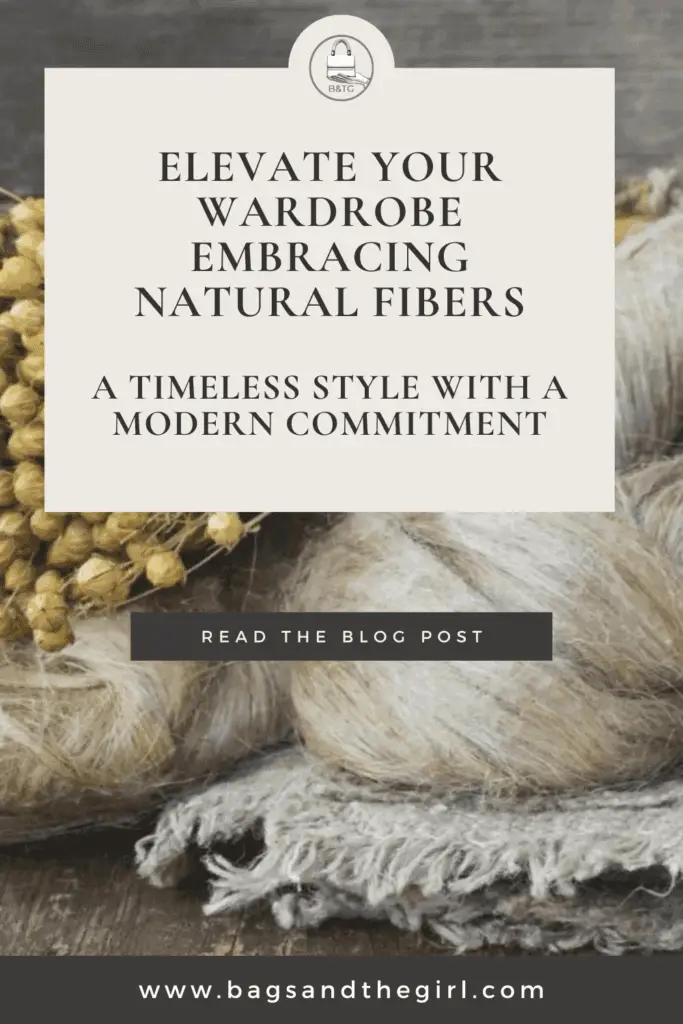
Linen — like other natural fabrics such as wool, cotton, silk, and cashmere — is one of those small investments that form the backbone of a long-lasting wardrobe. Whatever your age, whatever your style, quality linen clothing will not only keep your skin cool and cared for in the summer heat, but also add an undeniable elegance to your look.
And here’s a charming bonus: linen is the only fabric etiquette actually allows to be creased. In fact, those soft wrinkles are part of its appeal.
If you’re building a capsule wardrobe from scratch, or reorganising the one you already have, linen is a conditio sine qua non — a non-negotiable — for a collection that truly elevates your appearance and saves you money in the long run.
Plus, it’s kinder to the planet: linen is made from flax, a crop that requires less water to grow than cotton and is fully biodegradable at the end of its life.
How to Shop Linen Smartly
1. Check the fabric composition
When shopping for linen on Amazon, don’t rely solely on the seller’s product title.
Many are from overseas suppliers, where automatic translations can turn “pure linen” into something more… optimistic than accurate.
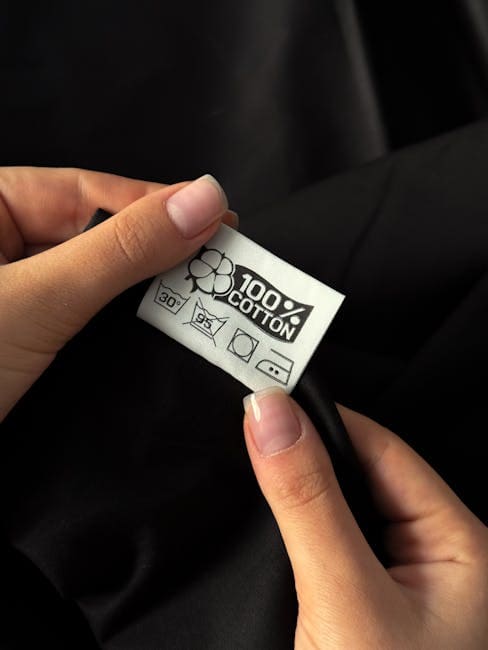
Even if the listing says “100% linen skirt,” double-check the care label in the photos or look for a clear breakdown in the description — for example, 100% linen, 80% linen + 20% cotton, or 55% linen + 45% lyocell.
If neither a photo of the label nor a precise fabric breakdown is provided, skip it. Your time (and money) is worth a piece you can trust.
Customer reviews are also gold mines for clues about the real fabric content.
2. Pay attention to weight and weave
Linen varies in thickness. Lightweight linen is perfect for beach cover-ups or breezy summer dresses where a little transparency doesn’t matter.
But for office wear or occasions when you want coverage, opt for mid-weight linen to avoid see-through surprises.
3. Choose colours that age beautifully
Neutral shades such as creamy white, ecru, beige, sand, khaki, and olive green develop a gorgeous patina over time.
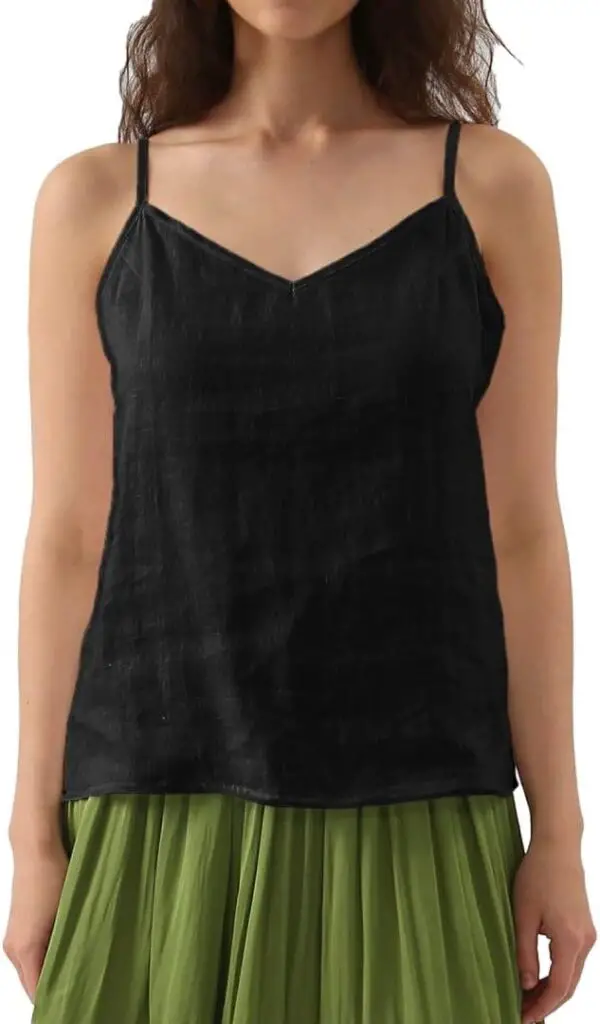
For those with cool, wintery colouring, darker hues like charcoal, navy, or black can be incredibly flattering.
👉 (And if “winter colouring” has you wondering, I explained it all in my previous article on colour analysis.)
🌿 Five Fast Facts About Linen Sustainability
Grows with Less Water – Flax, the plant linen comes from, often grows with just rainwater — no heavy irrigation needed.
Low Chemical Use – Naturally pest-resistant, flax needs fewer pesticides and fertilisers than many crops.
Nothing Goes to Waste – Every part of the flax plant has a use, from linseed oil to eco-friendly insulation.
Long-Lasting – Linen’s strength means garments can last decades, reducing fashion waste.
Fully Biodegradable – At the end of its life, pure linen breaks down naturally without harming the environment.
Why Linen Is a Truly Sustainable Fabric
If there’s one fabric that ticks the boxes for both timeless style and planet-friendly production, it’s linen. Here’s why it earns its sustainable fashion badge:
1. Linen Comes from the Flax Plant
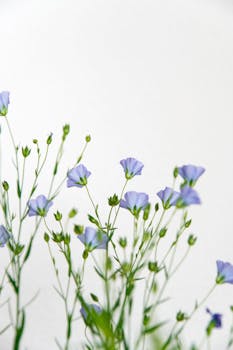
Linen is made from the fibres of the flax plant (Linum usitatissimum), which is naturally hardy and adaptable.
Unlike thirsty crops such as cotton, flax thrives with minimal irrigation and often grows happily in rain-fed conditions.
2. Low Environmental Impact During Cultivation
- Flax doesn’t require heavy chemical fertilisers or pesticides — it’s naturally resistant to many pests.
- The plant improves soil health, and after harvest, nearly every part of it is used: seeds for linseed oil, fibres for textiles, and even the woody core for insulation or paper.
3. Longevity = Less Waste
Linen is famously strong — in fact, it’s one of the strongest natural fibres. Well-made linen clothing can last decades with proper care, meaning fewer replacements and less waste in landfills.
And at the end of its life, pure linen is biodegradable and compostable.
4. Processing Can Be Low-Impact
Traditional retting (separating fibres from the stem) can be done naturally using water and bacteria, without harsh chemicals.
Mechanical processing and eco-friendly dyes further reduce the footprint.
5. Breathable, Multi-Seasonal, and Versatile
- Because linen works for summer (cooling) and can be layered in winter (insulating), you get more wear across the year — fewer “season-only” items means less over-consumption (and a happier, healthier wardrobe!).
Where Does Linen Come From?
While you’ll often see “Made in China” or “Made in India” labels on linen clothing, that’s usually about where the garment is sewn, not where the flax is grown. In fact:
Europe — particularly France, Belgium, and the Netherlands — produces some of the world’s highest-quality flax. The region’s mild climate and moist, well-drained soil are perfect for growing it.
Eastern Europe (Lithuania, Belarus, Ukraine) also has a long tradition of flax cultivation and linen weaving.
China is currently the largest processor and exporter of linen fabric, partly due to lower production costs and large-scale weaving facilities, but often the raw flax still comes from Europe.
So when you buy linen, you might be wearing a garment stitched in Asia from flax grown in a French or Belgian field.
For the most sustainable choice, look for transparency in both origin of the fibre and manufacturing location — some European brands offer “field to fabric” linen made entirely within the continent.
My 8 Favourite Amazon Pure Linen Picks
I’ve rounded up eight pure linen gems I think you’ll love — each one with the quality, style, and versatility that makes linen such a smart wardrobe investment. Some are easy everyday basics, others are statement pieces you’ll reach for summer after summer.
AKA “Effortless Summer Style” – The pure linen pieces for warm weather that will keep you cool and stylish. ✨ Word of Agnese K 😉
Some of the links on this site may be affiliate links, which means that I may earn a small commission if you make a purchase through those links, at no extra cost to you.
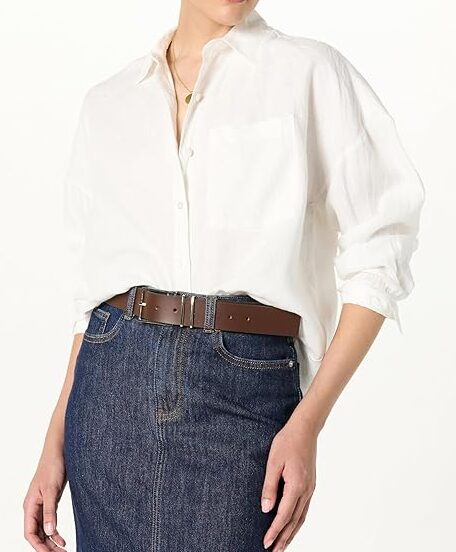
1. The Classic White Oversized Linen Shirt
If I had to crown a “Queen of Linen Pieces,” the white oversized shirt would win hands down.
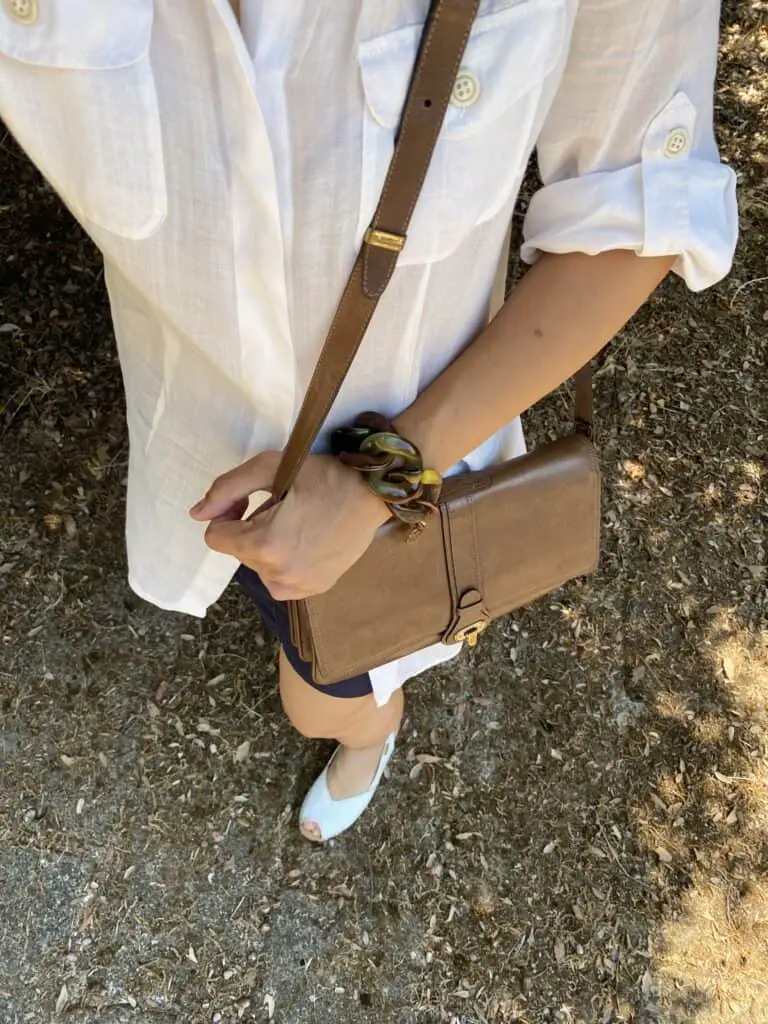
It’s the chameleon of summer dressing — wear it with denim shorts and sandals, knot it over a slip dress, or throw it over your swimsuit for effortless beach chic.
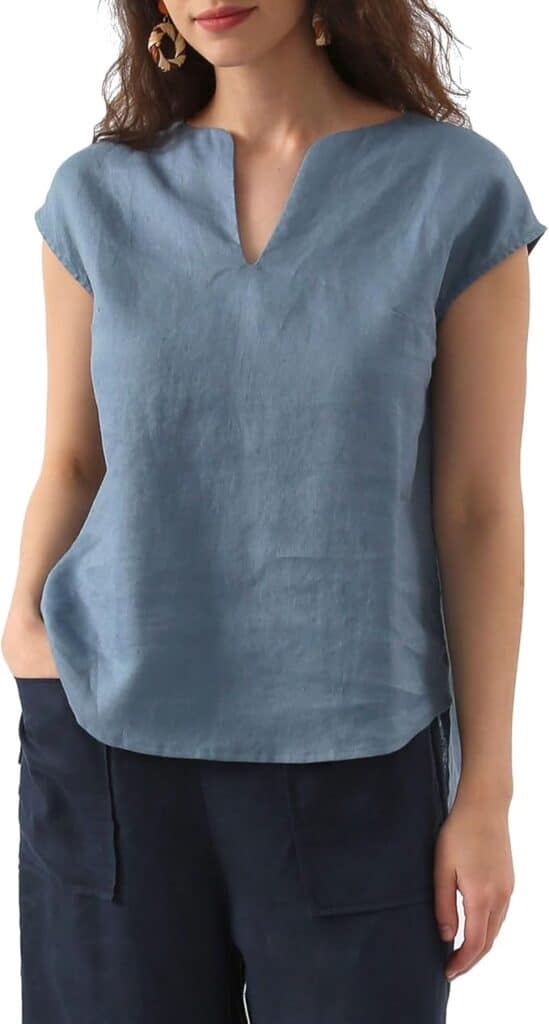
2. The Cap-Sleeved Linen Blouse
Channel a bit of Parisian nonchalance with a cap-sleeved blouse in blue or sand.
Pair it with white trousers and loafers for a casual-smart look, or tuck it into a midi skirt for brunch with friends.
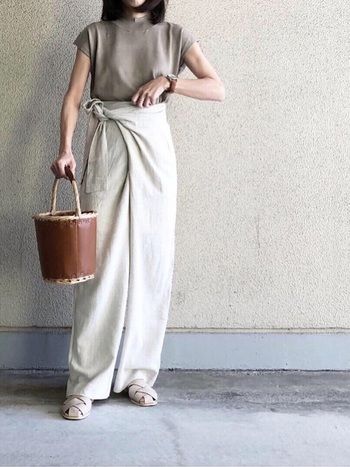
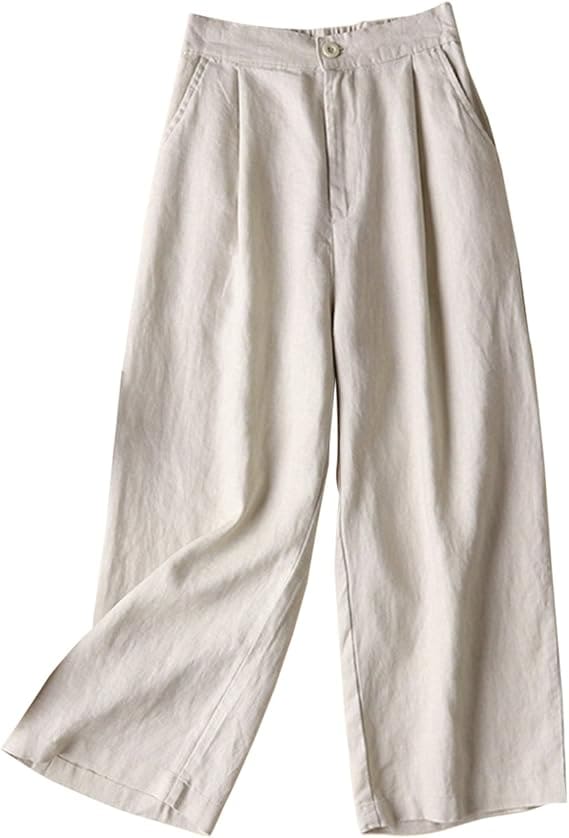
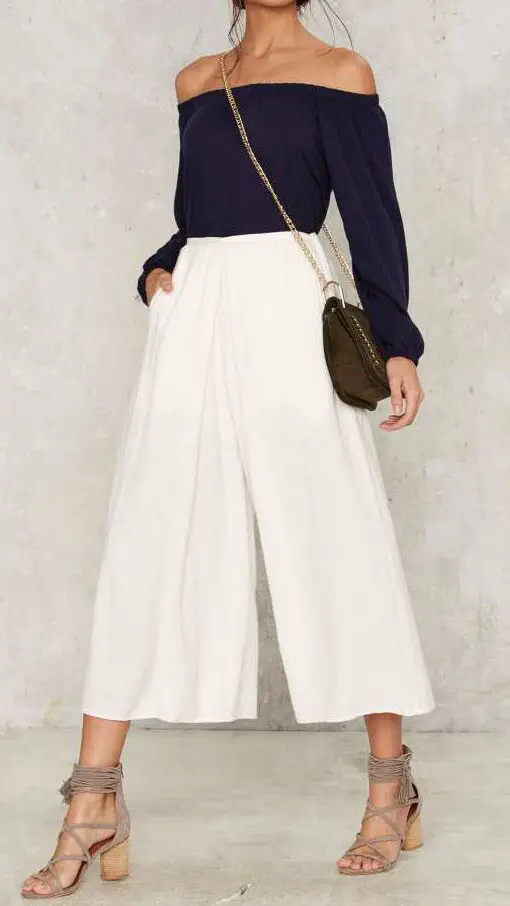
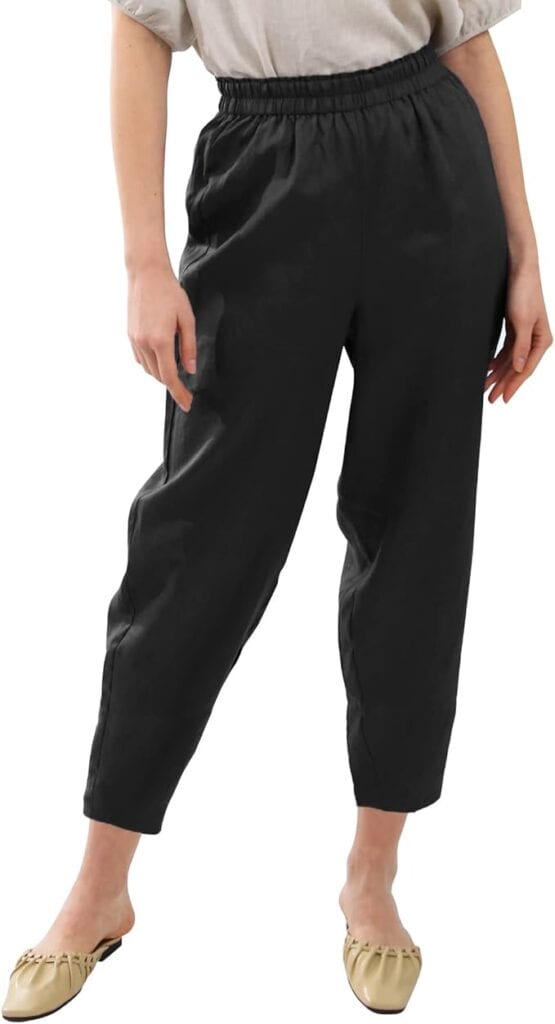
3. Wide-Leg Linen Trousers
Comfortable, airy, and oh-so-polished.
Perfect for work with a crisp shirt, or for weekends with a simple tank top and espadrilles.
Choose beige or ivory for timeless appeal.
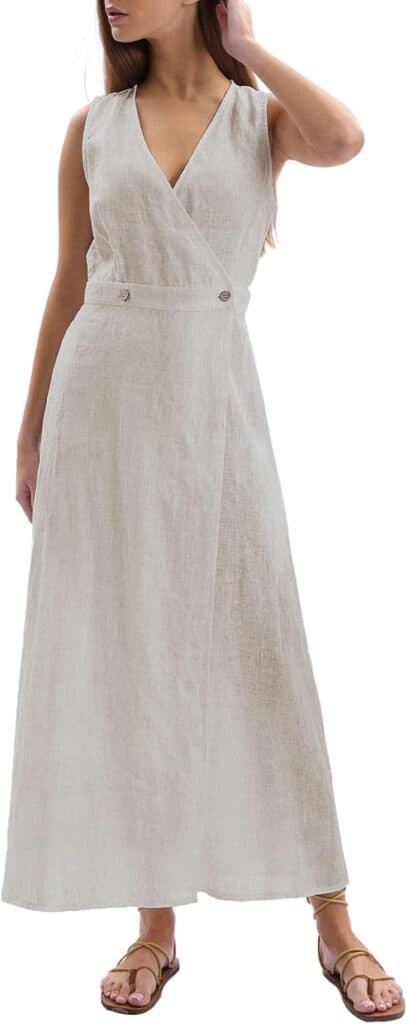
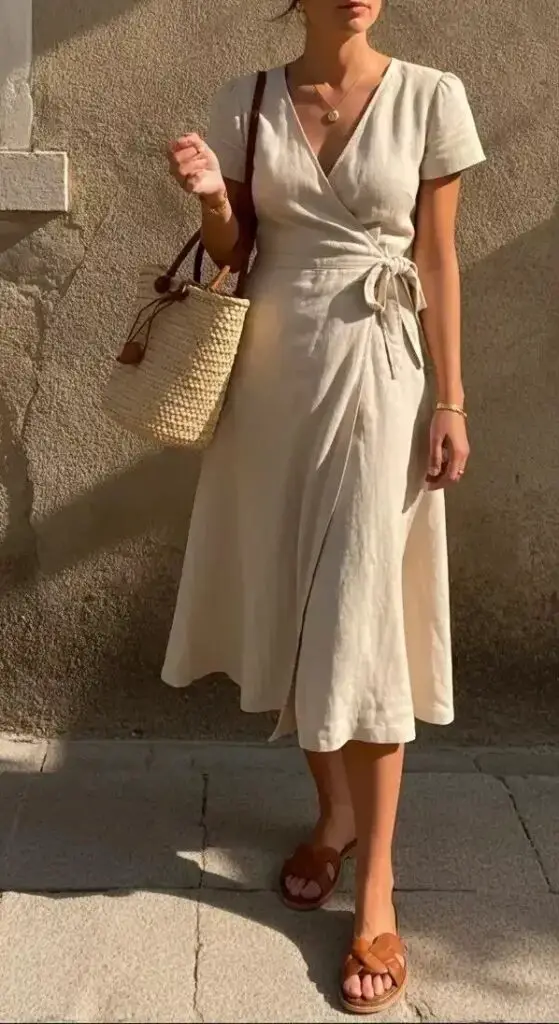
4. The Midi Linen Wrap Dress
Flattering on every body shape, a wrap dress gives you shape without clinging.
In soft pastels or warm neutrals, it’s the kind of piece that goes from office to garden party with just a change of bag and footwear.
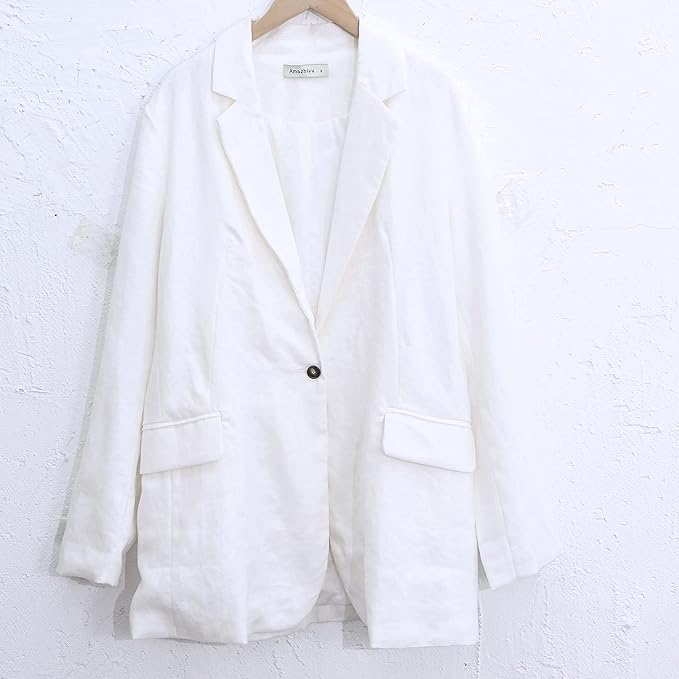
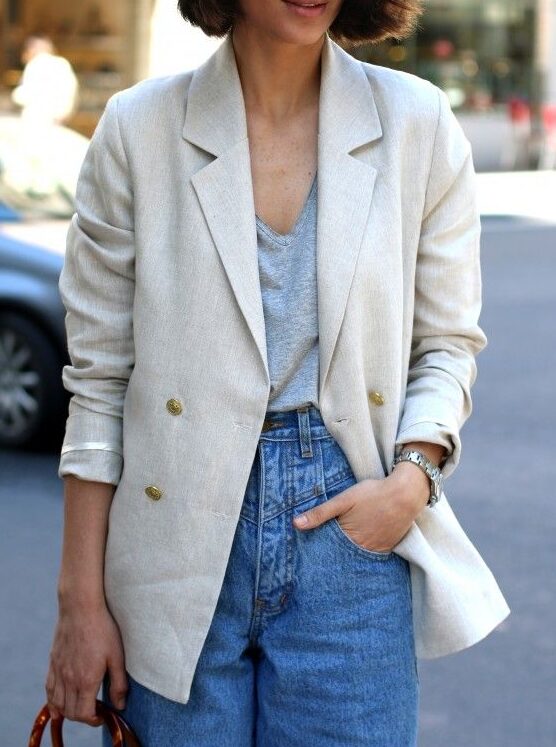
5. The Linen Blazer
A lightweight linen blazer is a lifesaver for summer meetings or evening events.
Wear it over a silk cami and jeans for a smart-casual vibe, or match it with linen trousers for a breathable summer suit.
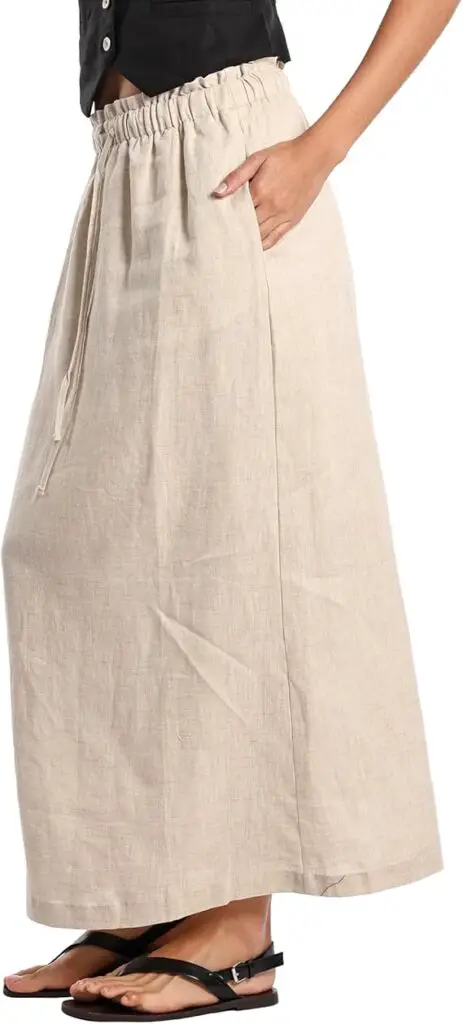
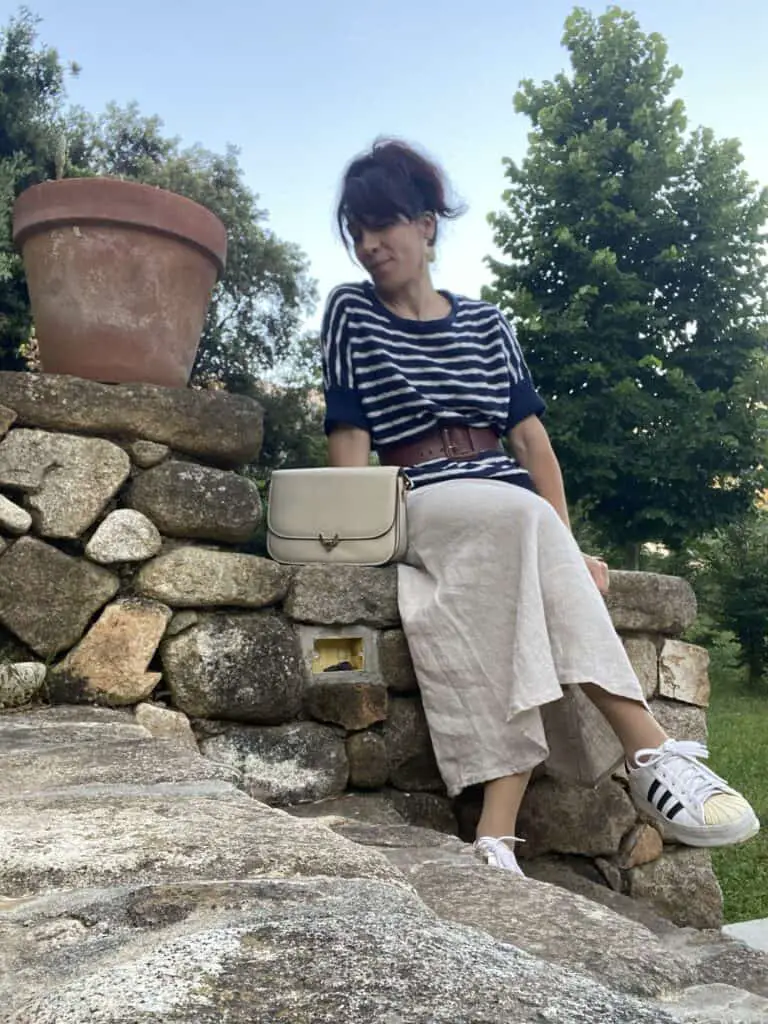
6. The Linen Skirt
Bias-cut as well as sleek-cut linen skirts skim the body beautifully and are incredibly easy to style.
Add a white tee and trainers for casual days, or a silk blouse and heeled sandals for dressier occasions.
7. The Linen Lounge Set
Matching sets make instant outfits — and linen ones keep you cool while looking put-together.
Ideal for travel days, lazy Sundays, or those quick “school run but still chic” moments.
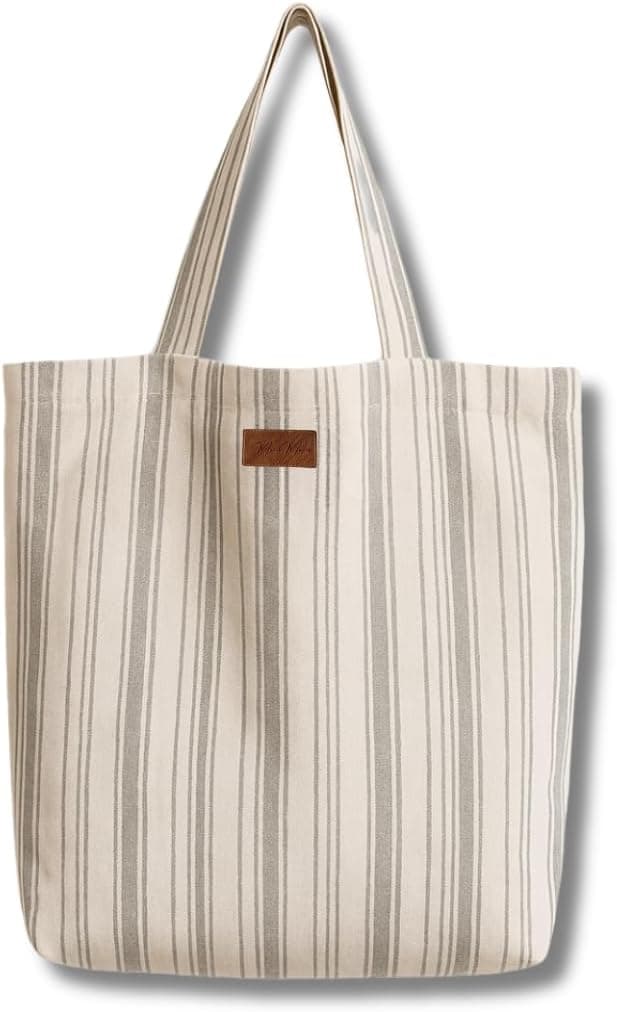
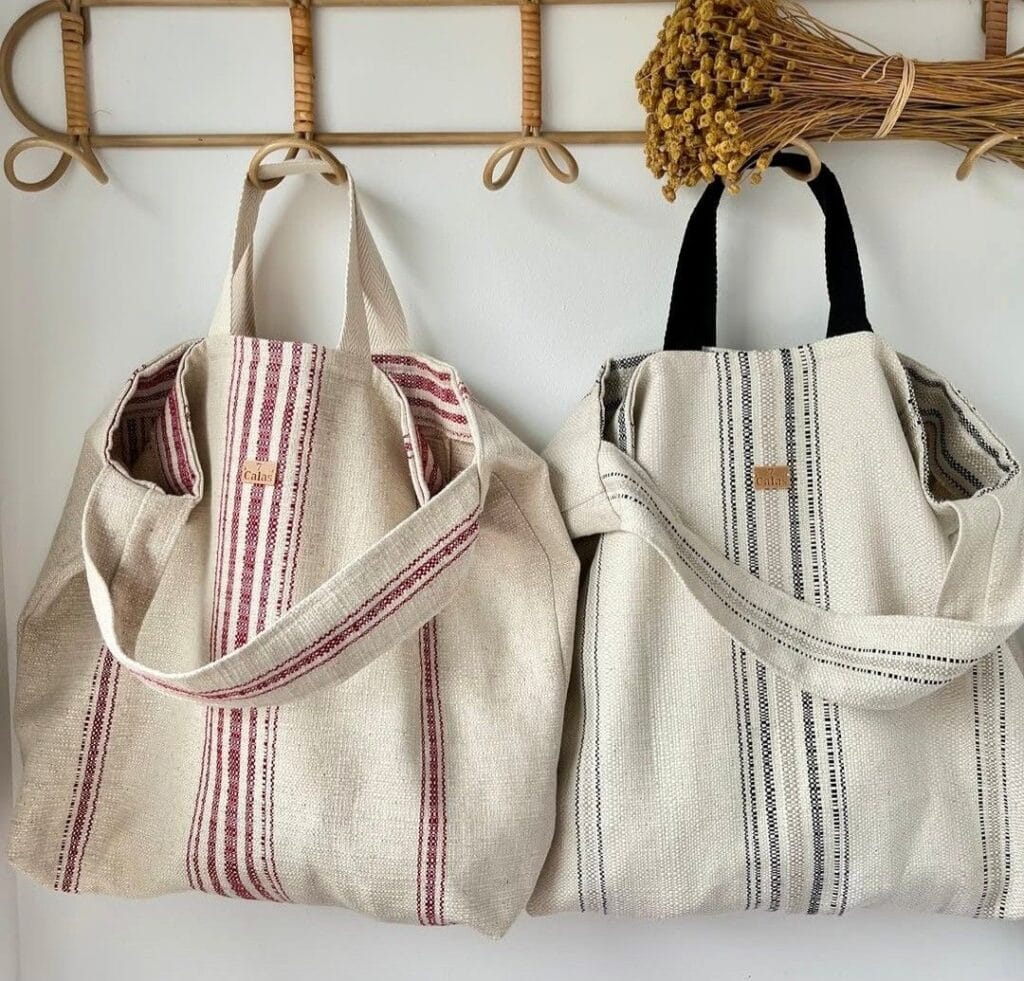
8. The Linen Tote Bag
Light, durable, and perfect for market days or beach trips.
A neutral linen tote pairs with everything and adds a relaxed summer touch to your look.
For more outfit inspo, check out my Pinterest board where you’ll find all my favourites for summer bags.
How to Care for Your Linen Pieces
A little TLC will keep your linen looking its best for years:
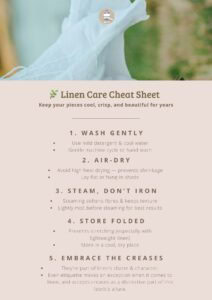
Wash gently: Use a mild detergent and cool water. Machine wash on a gentle cycle or hand wash.
Avoid high heat drying: Air-dry whenever possible to prevent shrinkage.
Steam, don’t iron: Linen loves a good steam — it softens the fibres and keeps that natural drape without flattening the texture.
Store folded: Hanging can stretch lightweight linen; folding preserves the shape.
Final Thoughts
When my mum first sent me her linen finds of the week, I thought I’d just pick a couple to share. But honestly? They were all so good, I couldn’t keep them to myself.
Pure linen isn’t just a fabric — it’s a summer style investment. It’s breathable, elegant, eco-friendly, and (in the best way) a little rebellious for refusing to stay perfectly pressed. And when you choose well, your pieces will look even better in five years than they did on day one.
So, which one’s your favourite? Come tell me in the comments — or send me a DM with your pick. I promise I’ll show my mum, too. She’ll be thrilled.
Thank you for reading, and until next time!
XOXO
Agnese K